
Best Glute Exercises

Effective glute training requires more than just “doing glutes.”
The glutes perform three primary actions at the hip:
• Hip Extension
• Hip Abduction
• Hip External Rotation

Hip Abduction
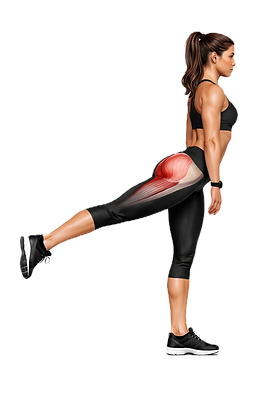
Hip Extension
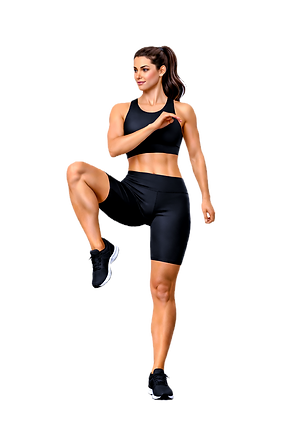
Hip External Rotation
If only one or even two of those actions are trained and the others neglected, results will suffer.
No single exercise does it all. A well-designed program strategically combines the following categories.
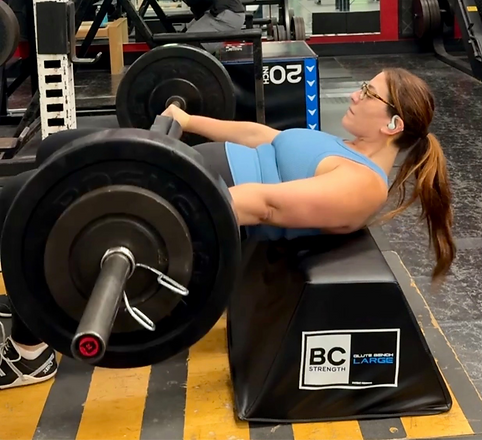
Thrust Movements
Examples: Glute bridges, barbell hip thrusts, single-leg bridges
Thrust variations train the glutes in a shortened position at full hip extension. Because resistance peaks near lockout, they are highly effective for directly targeting the gluteus maximus and building strong, powerful hip extension.
However, thrusts alone are not sufficient for complete glute development.
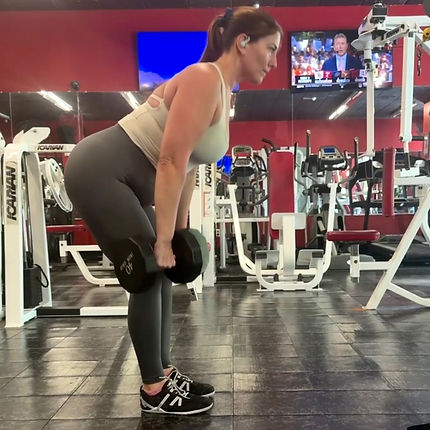
Hinge Movements
Examples: Romanian deadlifts, conventional deadlifts, kettlebell swings, good mornings, single-leg RDLs
Hinges load the glutes in a lengthened position, placing the muscle under stretch with tension. This creates a strong mechanical stimulus for growth.
Proper hip mechanics are essential to ensure the glutes, not the lower back, are driving the movement.
When executed correctly, hinges build strength, density, and structural resilience.
Squat / Lunge Movements
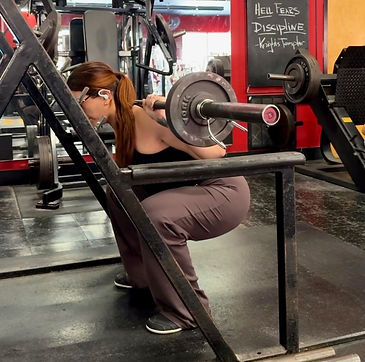
Examples: Back squats, Bulgarian split squats, step-ups/step-downs, reverse lunges
These patterns challenge the glutes through deeper ranges of hip and knee flexion.
Stance width, foot positioning, depth, and torso angle significantly influence glute involvement.
Single-leg variations are especially valuable for improving:
• Muscular imbalances
• Pelvic stability
• Knee alignment
• Glute medius strength
• Functional strength under load
They build muscle while improving movement quality.

Abduction Movements
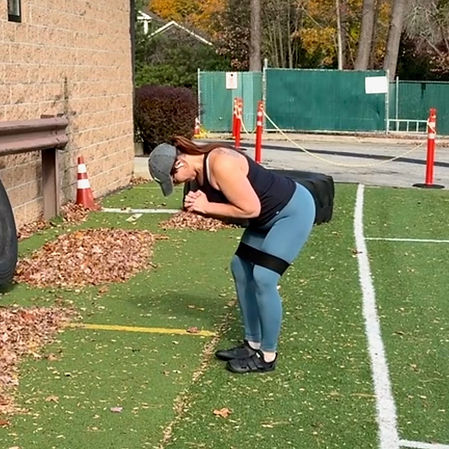
Examples: Cable abductions, lateral band walks, monster walks, seated abduction machine
Abduction work targets the gluteus medius and minimus, the muscles responsible for stabilizing the pelvis and supporting proper knee alignment.
While these exercises should not replace heavy compound lifts, they play a critical role in:
• Joint health
• Injury prevention
• Balanced muscular development
• Upper glute, or "shelf", development and fullness
They refine and support the foundation built by heavier movements.
The Bigger Picture
Strong glutes are not built by one magic exercise. They are built by strategically combining thrust, hinge, squat, and abduction patterns while training the muscles in both shortened and lengthened positions.
Effective programming includes multi-joint compound lifts, single-leg work, and lateral and rotational patterns to ensure complete development.
Each category challenges the glutes in a different way. When programmed intentionally, they work together to create balanced, well-rounded development.


Exercises matter. How they're programmed matters more.